
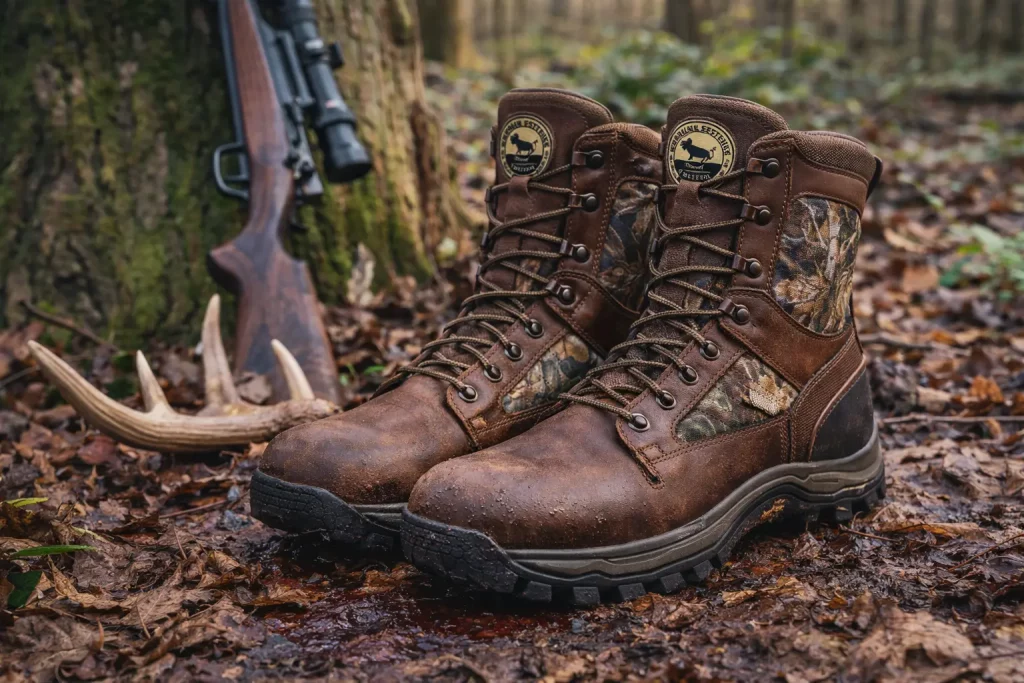
I wore these boots for real hunts. Not just a stroll in the yard. I’m talking long climbs, cold toes, and mud that tries to eat your boot. For reference, I'm talking about the Irish Setter Elk Tracker 860, the insulated leather model you’ll find in most shops.
If you want every gritty detail from the first creek crossing to the last mile back to the truck, my expanded journal lives on Brocach for a deeper dive.
Where I Took Them
- Three days in the Bitterroots near Hamilton, Montana. Early October. Ice in the water bottles at dawn. Slush by lunch.
- A snow day up by Pagosa Springs, Colorado. Six inches of fresh, with crust under it.
- A wet, muddy weekend in central Oregon. Clay that cakes up like frosting.
So yeah, they’ve seen stuff. I saw elk too—one cow at 70 yards, and one bull that laughed at my bugle. Different story.
Fit and Sizing (Short And Straight)
I wear a 10 in running shoes. I got these in 9.5 (D width). With midweight merino socks, the fit felt snug but not cramped. Heel lift was small after day two. For wide feet, I’d try EE. For thin socks, go down a half size. The 12-inch shaft hugged my ankles. Good for sidehills.
Break-In: A Weekend Plan
Day one was two miles on dirt. Day two, five miles with a light pack. After that, I took them hunting. The leather softened nice. The tongue has that Cushin pad, so the laces don’t bite. My toes never hit the front on steeps. That matters.
Build Stuff That Actually Matters
- Full-grain leather. Thick. Takes wax well.
- Gore-Tex liner. Real waterproofing, not wishful thinking.
- Goodyear welt. Old-school strong. You can resole.
- ScentBan treatment. Cuts stink. Not magic, but it helps.
- Air Bob outsole. Big “bobs” that grab dirt and snow.
Mine have insulation. 400g Thinsulate Ultra. Warm enough at 18°F when I kept moving. Not a tree-stand boot, though.
Waterproof, For Real?
Quick story. I crossed Lost Horse Creek at first light. Water hit halfway up the eyelets. In and out fast. Dry socks at lunch. Later, I stepped in slush for an hour while glassing a cut. No wet toes. If you dunk past the tongue, well, water’s gonna find a way. And once soaked, leather takes a while to dry.
Cold Mornings vs. Warm Hikes
At 18–25°F, moving slow, my toes stayed fine with Smartwool midweights and a thin liner sock. At 35–45°F, hiking uphill, I ran a little hot. I cracked the laces loose at the top—helped a bunch. If you hunt late season or sit long, get the 1000g version. If you chase bugles in September, go uninsulated.
Grip And Noise
The Air Bob lugs bite soft ground like a mean dog. In snow and duff, great. In mud, they shed better than most. On wet rock? Meh. Be careful on smooth, wet logs. They do feel quiet on stalks. Less squeak, more “thud.” I like that.
Comfort Over Long Miles
My longest day was 11.4 miles with 2,000 feet of climb. No blisters. The cork midsole has a nice give, but the boot still feels firm. Ankle support is real. Sidehilling didn’t chew up my shins. I did feel the weight. These aren’t trail runners. Your calves will notice.
Durability And Care
I treated the leather with Obenauf’s LP out of the box. Big help. After a month, the toe scuffed but didn’t gouge. Stitching looked clean. The laces? One frayed strand on a speed hook—common on tall boots. I swapped to waxed laces and called it good. I store them with cedar shoe trees so they keep their shape.
Little Things I Liked
- Speed hooks make lacing fast with cold fingers.
- The tongue pad saves the top of your foot.
- Heel pocket feels locked in after break-in.
- The welt edge gives a solid platform for sidehills.
Curious about other clever Irish-made gear—some of which you might already be using without realizing it? I rounded up a handful of surprises in this quick read that’s well worth a look between scouting trips.
Things That Bugged Me
- They’re heavy. No way around it.
- Wet, smooth rock can be slick.
- If they soak, they dry slow.
- Speed hooks can grab brush. Watch your gaiters.
- Runs a bit warm in shoulder season if you hike hard.
Who Should Get These
- Elk and deer folks who hike, glass, hike some more.
- People who want leather, not fabric.
- Hunters who like to resole and keep a boot for years.
- Anyone with ankle issues. The support helps.
Maybe skip if you count ounces like a thru-hiker, or if you hunt hot, dry sage all season. If you’re curious about the rest of the lineup beyond this model, you can browse the entire Elk Tracker family to see which insulation weights and heights make sense for your season.
Quick Tips To Make Them Better
- Use merino socks (Darn Tough or Smartwool). One midweight. Add a thin liner if you blister.
- Treat the leather before the first hunt. Obenauf’s or Hubbard’s works.
- Break in slow. Two short hikes, then go long.
- Add gaiters in snow. Keeps the tongue gap covered.
- Pack extra laces. Tall boots love to chew laces.
On the off chance your fall hunt takes you across the pond—maybe you tag out early on a red-stag trip in Spain and decide to wind down along the Côte d’Azur—you’ll be trading elk tracks for cobblestones. A fast way to line up some après-hunt social time is this locals-only guide to casual meet-ups in Nice. It shares the best neighborhoods, apps, and strategies so you can meet new people quickly and skip the usual tourist guesswork.
Closer to home in the Pacific Northwest, an after-hunt beer around Puget Sound can turn into something more if you know where to look. The laid-back taprooms near Tacoma’s waterfront and the lively bars along Sixth Avenue are packed with outdoorsy singles once the sun goes down. For a straight-shooting rundown of the easiest spots and apps to make that connection happen, check out this guide to casual sex in Tacoma—it pinpoints the busiest venues, reveals which dating platforms actually get replies, and offers timing tips so you can lock in plans fast and still make first light the next morning.
The Verdict
These boots feel like a tool, not a trend. They’re warm, tough, and steady on rough ground. They’re not light. They’re not cheap. But when I hit snow at first light and came back with dry socks and happy ankles, I stopped thinking about them. And that’s what I want from a hunting boot—quiet, boring, and solid. If you want to compare prices or see similar leather hunting boots, check out Brocach before you pull the trigger.
Would I buy them again? Yep. For elk in the hills, they’ve earned a spot by the door.
—Kayla Sox